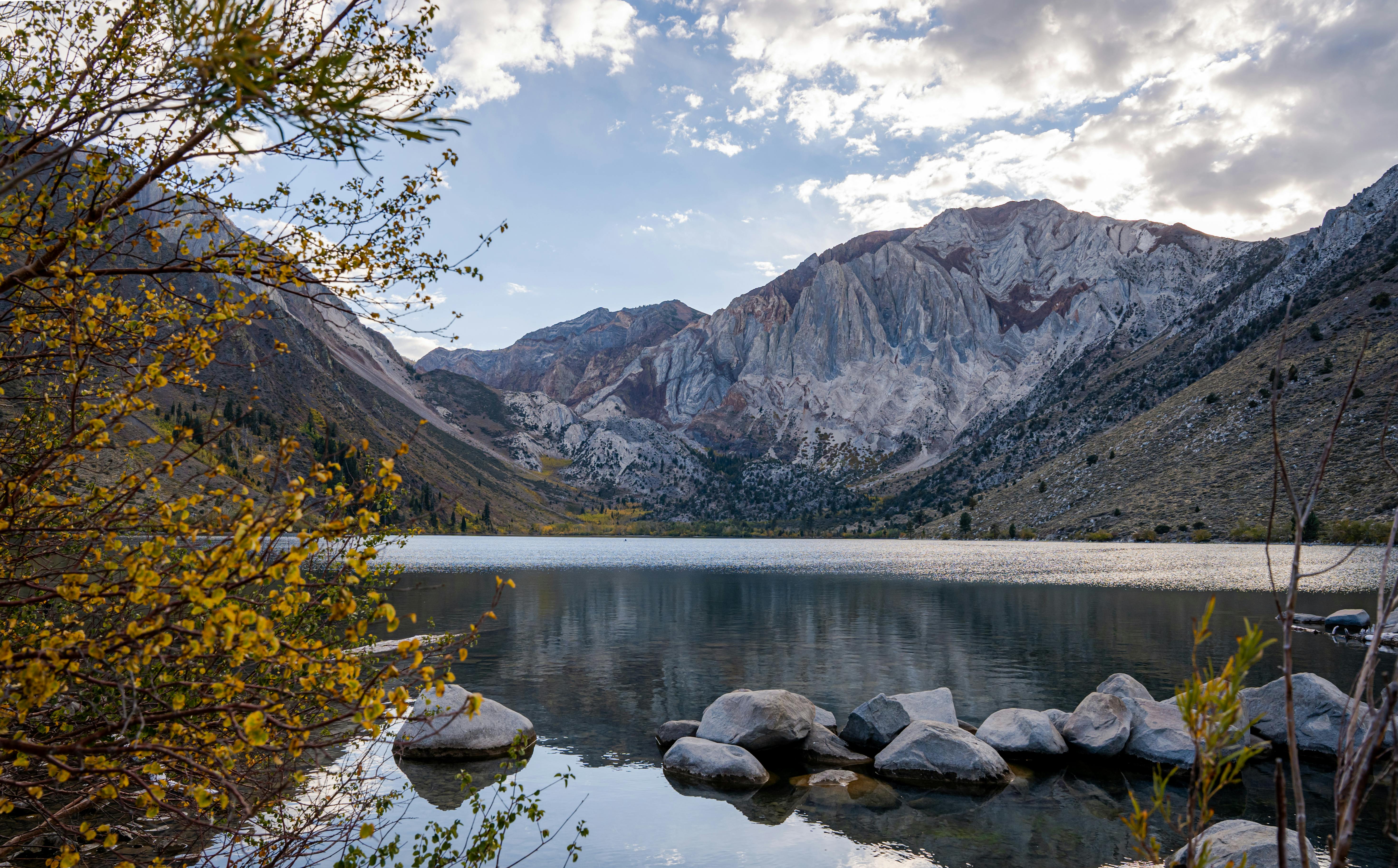
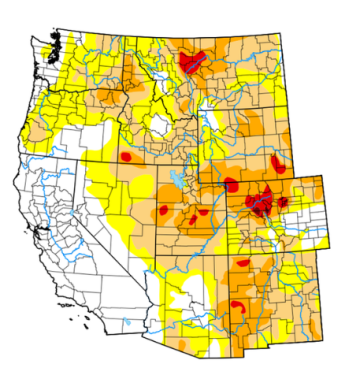
It has been an unusually warm winter in the Western United States, allowing meteorologists to coin the delightful and descriptive phrase “snow drought.” California is more fortunate than other western states — after three consecutive years of robust rain and snowfall, our reservoirs began the winter at or above historic averages and continue to be full. But the powerful storms of December and February aren’t reflected in the current mountain snowpack, as record-high temperatures are melting the snow almost as fast as it falls. The March 1 snow survey showed snowpack at 66% of normal levels for this time of year, and high temperatures over the next week will likely reduce the number to almost zero by April 1.
That’s a big deal, because it means that the mountains will dry out earlier and faster. Our rivers and streams will also run hotter and dry out earlier, compromising fish populations. And our water supply outlook will be reduced, because reservoirs will start being drawn down two months earlier than usual. Our 20th-century water infrastructure is predicated on a healthy snowpack — and right now it’s feeling the strain of the new normal.
We can argue about whether this is just one year or if it's a symptom of climate change, but the data is clear: year after year, there is a trend of increasing temperatures, and that will dramatically reduce our snowpack moving forward.
That’s a big reason why Clean Water Action is all-in on groundwater sustainability practices — not the overpumping that characterized the 20th century, but active management of our aquifers to support us in the 21st. Right now, 80% of Californians receive all or part of their water supply from groundwater. Moving forward, we’ll need to make even greater use of our groundwater supplies to capture high runoff, provide a buffer against drought, and ensure cold water temperatures for in-stream species.
That’s why we’re celebrating Groundwater Awareness Week! I know it’s not picturesque like a snow-topped mountain, but groundwater is what will keep our state working in the 21st century.
Are you part of the 80% whose water supply relies on groundwater? You can check by going to your water agency’s website and looking at their annual Water Quality report — it will tell you the source of your water.
Now that you know how much you rely on groundwater, what kind of protections are in place for these resources? Many aquifers are subject to the Sustainable Groundwater Management Act (2014), which requires local water managers to operate the groundwater basin like the infrastructure it is, to ensure that those who rely on the groundwater will have the resource available when they need it. Sometimes that management means reducing water use; often it means higher costs to monitor groundwater quality and quantity and to design, build, and operate recharge basins. But this investment is truly essential for California’s future.
(And if you really want to become a groundwater geek, explore more on the Department of Water Resources Groundwater Live page!)
Hooray, Groundwater!


